Source Fur Hats for Winter Warmth, Fashion, and Outdoor Use
Source 30 fur hat options for winter warmth, fashion, and outdoor use. Compare materials like polyester and rabbit fur, styles from plain dyed to faux fur, and specifications including sizes and packing details to find the right supplier.
Key considerations
Products List






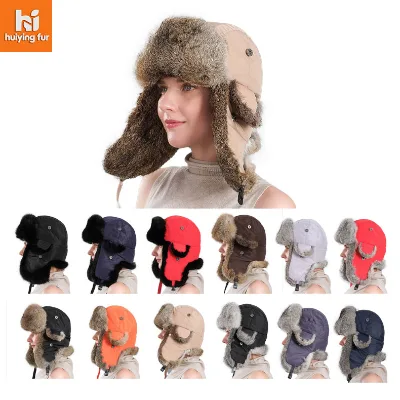
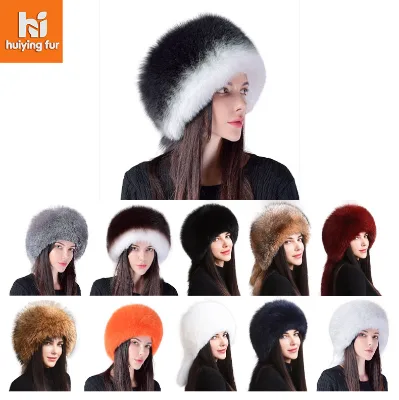
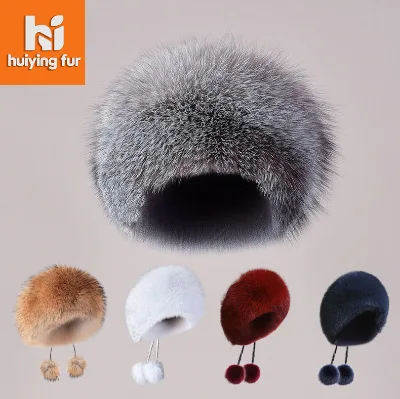
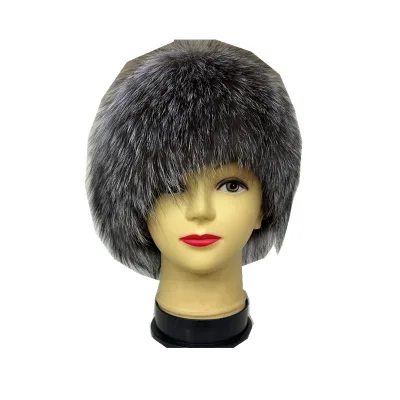
Comprehensive Sourcing Guide
Fur Hat Sourcing Guide
The global market for fur hats encompasses a diverse range of products, from traditional winter accessories to fashion-forward faux fur statements. Based on current listing signals, buyers encounter items ranging from 100% polyester constructions to genuine rabbit fur and leather variants. These products are designed for unisex adult use, with specific models tailored for winter seasons while others offer versatility for spring and autumn wear. The variety in materials and styles requires a disciplined approach to specification verification to ensure the final product aligns with brand identity and functional requirements.
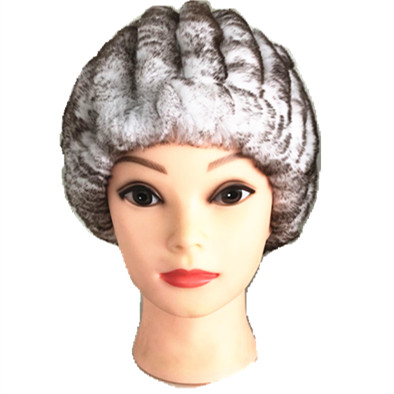
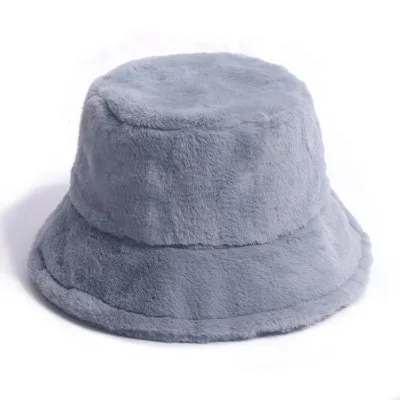
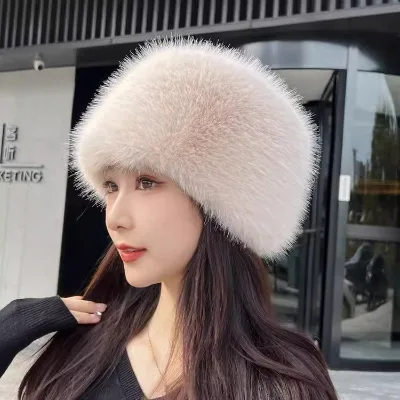
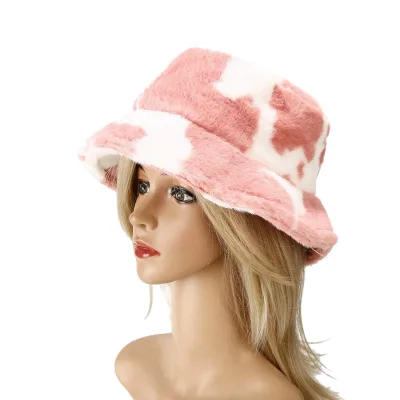
Procurement strategies must account for the significant divergence in product attributes observed in the market, such as the presence or absence of brims and the specific crown structures. Some listings indicate a "Without Brim" design, while others explicitly feature a "With Brim" configuration, necessitating clear communication with suppliers to avoid fulfillment errors. Additionally, the market offers distinct aesthetic options including plain dyed, printed, and graphical pattern themes, alongside specific style descriptors like "Faux Fur" or "Winter Warm Hat," which directly influence the target demographic and seasonal positioning of the inventory.
Product Scope and Observed Listing Signals
Buyers must first distinguish between the material composition of the hats, as the supply chain offers both synthetic and natural options. The observed data confirms the availability of 100% polyester products, which are often marketed as faux fur alternatives, alongside listings specifying "Rabbit" material and "Real Fur" fabric. This distinction is critical for compliance and ethical sourcing, as the regulatory requirements for natural fur differ significantly from those for synthetic textiles. Procurement teams should verify the exact material declaration on the product specification sheet before proceeding with any order to ensure alignment with company sustainability policies.
The visual and structural scope of available inventory is equally broad, featuring items with "Colourful" and "Brown" colorways, as well as specific design elements like "Mask" motifs or "Checked" patterns. Technical attributes such as "Hand Drawn" printing methods and "Handmand" (handmade) techniques suggest a higher level of craftsmanship for certain SKUs, which may command different pricing and quality expectations. Furthermore, the presence of "Woven Patches" as a pattern technology indicates a specific manufacturing process that buyers should inspect for durability and aesthetic consistency. Understanding these granular details allows buyers to curate a collection that meets specific market demands without relying on generic assumptions.
Technical Specifications to Verify
Size and fit are paramount when sourcing headwear, and the observed data highlights a specific range of 56-60cm for standard adult models. However, other listings indicate a broader sizing standard of S, M, L, and 2XL, which suggests that suppliers may use different grading systems for their inventory. Buyers must explicitly confirm the sizing chart for each SKU, as a mismatch between the ordered size standard and the actual product dimensions can lead to high return rates and customer dissatisfaction. It is essential to request physical samples to verify that the crown and brim dimensions correspond accurately to the stated specifications.
Construction details such as brim presence, crown structure, and length must be validated against the purchase order to prevent fulfillment discrepancies. The market data shows conflicting attributes where some products are listed as "Without Brim" while others are "With Brim," and some are described as "Medium" length while others lack specific length metrics. To mitigate this risk, procurement teams should require a detailed technical pack that explicitly defines the brim width, crown height, and overall hat length. Additionally, verifying the "prod_packing" method, whether it is a simple polybag or a more robust sea carton, is necessary to ensure the product arrives in pristine condition.
Compliance and Safety Documentation
Regulatory compliance for fur products varies significantly depending on whether the material is natural or synthetic, and buyers must navigate these requirements carefully. For items made from "Rabbit" or "Real Fur," suppliers must provide documentation proving the legal origin of the materials and adherence to international trade regulations regarding wildlife products. In contrast, polyester and leather-based hats are subject to different textile safety standards, including flammability and chemical residue limits. Buyers should request a Certificate of Compliance or a Material Safety Data Sheet (MSDS) for every batch to ensure the products meet the safety standards of the destination market.
Labeling and origin verification are also critical components of the compliance framework, as the supply chain data indicates products originating from various locations including P. R. China, Nanjing, and Hebei. Accurate country-of-origin labeling is mandatory for customs clearance and consumer transparency, and discrepancies between the declared origin and the actual production site can result in shipment delays or penalties. Furthermore, if the product claims to be "Handmand" or features specific "Printing Methods," buyers should verify that these claims are supported by the supplier's production records to avoid false advertising claims. Ensuring that all documentation aligns with the specific "prod_standard" listed, such as "Adult" or "adult size," is essential for maintaining regulatory integrity.
Cost Drivers and Commercial Terms
The price range observed in the market, spanning from 1.25 to 55 USD, reflects the substantial impact of material choice, craftsmanship, and order volume on the final cost. Products made from "Real Fur" or featuring complex "Hand Drawn" techniques naturally command higher price points compared to mass-produced "Plain Dyed" polyester items. Buyers should analyze the cost structure of each SKU to understand the value proposition, recognizing that a lower unit price may correlate with simpler construction or lower-quality materials. It is advisable to request a detailed cost breakdown from suppliers to identify where savings can be made without compromising the product's integrity.
Minimum Order Quantity (MOQ) and packaging requirements are significant factors that influence the total landed cost and inventory management strategy. The observed MOQ range of 1 to 500 units offers flexibility for small businesses but may limit negotiation power for larger volume orders. Additionally, the variation in packaging, from individual polybags to bulk sea cartons, affects shipping costs and storage requirements. Buyers should negotiate packaging specifications that balance protection with cost efficiency, ensuring that the "40X30X10 Cm" dimensions or other carton sizes are optimized for container loading. Understanding these commercial terms allows for more accurate budgeting and prevents unexpected expenses during the logistics phase.
Supplier Qualification and Quality Control
Supplier qualification should begin with a thorough review of their production capabilities and their ability to meet specific customization requests. The data indicates that "Customization" is available across the market, but the extent of this capability varies by supplier. Buyers must assess whether a supplier can accommodate specific requests for "prod_model" numbers, unique colorways, or custom "Pattern Theme" designs. A robust quality control process should include pre-production sample approval and in-line inspections to ensure that the "Style" and "Design" elements match the approved prototype. This verification step is crucial for maintaining brand consistency and preventing the receipt of substandard goods.
Quality control protocols must also address the consistency of materials and the durability of construction techniques. For items described as "Faux Fur" or "Real Fur," buyers should verify the density and softness of the pile to ensure it meets the expected tactile standards. Similarly, for products utilizing "Woven Patches" or "Printed" patterns, the adhesion and colorfastness of the design must be tested to prevent peeling or fading after use. Implementing a rigorous inspection plan that includes random sampling from the production batch ensures that the final product adheres to the agreed-upon "prod_standard" and "Season" suitability. This proactive approach minimizes the risk of defects and ensures customer satisfaction.
Long-Term Procurement Checks
Establishing a long-term partnership with suppliers requires a commitment to continuous performance monitoring and relationship management. Buyers should track key performance indicators such as on-time delivery rates, defect rates, and responsiveness to customization requests over multiple order cycles. The ability of a supplier to consistently deliver products that match the "prod_model" and "prod_packing" specifications is a strong indicator of their reliability. Regular audits and feedback sessions can help identify areas for improvement and ensure that the supplier remains aligned with the buyer's evolving needs and market demands.
Adaptability to market trends and regulatory changes is another critical factor for long-term procurement success. As consumer preferences shift towards sustainable materials or specific design aesthetics, suppliers must demonstrate the agility to pivot their production lines accordingly. Buyers should maintain open communication channels to discuss upcoming trends and potential supply chain disruptions, ensuring that the procurement strategy remains resilient. By fostering a collaborative relationship based on transparency and mutual growth, buyers can secure a stable supply of high-quality fur hats that meet the dynamic requirements of the global market.
FAQs
What materials are used for these fur hats?
The available fur hats are crafted from 100% polyester, real rabbit fur, and leather. Buyers can select from faux fur styles or genuine fur options depending on their specific product requirements and ethical sourcing preferences. Each material offers distinct texture and warmth characteristics suitable for winter accessories.
Can these hats be customized for bulk orders?
Yes, customization is available for these fur hats. Suppliers offer various options including plain dyed, printed, and hand-drawn patterns. Buyers can request specific designs, colors, or branding elements to meet their unique market needs, ensuring the final product aligns with their brand identity and customer expectations.
What sizes are available for adult fur hats?
Adult fur hats are available in standard sizes ranging from 56-60cm, as well as S, M, L, and 2XL options. Some products are produced on request to accommodate specific head measurements. This variety ensures a proper fit for different adult demographics and regional sizing standards.
Where are these fur hats manufactured?
These fur hats are manufactured in China, with specific origins including Nanjing and Hebei. Buyers can source products directly from these regions, which are known for their textile and accessory manufacturing capabilities. The products are packed in polybags or cartons for secure international shipping.
What styles of fur hats are offered?
The collection includes winter warm hats, checked styles, and designs with graphical patterns. Options range from hats with brims to those without, and some feature mask designs. These styles cater to diverse fashion trends, offering versatile choices for seasonal apparel and accessory markets.
What is the minimum order quantity for these hats?
The minimum order quantity ranges from 1 to 500 units, providing flexibility for both small and large buyers. This wide MOQ range allows businesses to test market demand with smaller orders or fulfill large-scale retail needs. Suppliers accommodate various order sizes to support different business models.